
What Is Mindfulness?
A Teacher’s Guide to Building Calm, Focus & Self-Regulation in the Classroom

WHAT IS MINDFULNESS (AND WHY IS IT USEFUL IN THE CLASSROOM)?
Mindfulness is a bit of a buzzword in education these days... but is it actually useful?
At Breathe Grow Thrive, we’ve been in the trenches of teaching. We know that creating calm, focused, and emotionally safe learning spaces isn’t just a nice-to-have: it’s foundational.
So here’s the simple definition: Mindfulness means paying attention to your thoughts, feelings, bodily sensations and environment in the present moment, in a non-judgmental way. It’s about noticing what’s happening inside and around you, and responding rather than reacting.
In a classroom context, mindfulness isn’t just a “cute activity. It’s a building block for self-regulation, co-regulation, emotional awareness, and ultimately, better learning outcomes. Overwhelmed students, frequent transitions, and emotional or behavioural disruptions are the very challenges we address here at Breathe Grow Thrive.
(As we say: a dysregulated brain isn’t a learning brain.) 🧠
Want a simple visual to make mindfulness routines obvious and accessible?
Grab our free, ready-to-use printable Breathing Posters ebook.
WHY MINDFULNESS MATTERS FOR K-12 TEACHERS AND STUDENTS
Student well-being & focus: Students who are learning how to mindfully pause, become aware of their emotional state, and self-regulate tend to manage transitions better, reduce anxiety, and come to learning ready.
Teacher well-being & classroom climate: You don’t have to sacrifice your own calm to manage the class. Mindful practices support you as the teacher, so you’re more present, less reactive, and able to co-regulate with your students.
Emotion-behaviour-learning link: When students are upset, overwhelmed, or dysregulated, their ability to focus, engage and learn declines. Mindfulness helps shift the nervous system, paving the way for calmer, more focused learning.
Classroom management becomes proactive: Rather than responding only to behaviour issues, mindfulness and co-regulation allow you to prevent escalation by embedding routines that support emotional and behavioural regulation.
TWO KEY COMPONENTS: FORMAL PRACTICE & INFORMAL PRACTICE
To bring mindfulness into your classroom in a meaningful way, think of it in two parts:
1. FORMAL PRACTICE (DEDICATED TIME)
This is when you intentionally set aside time (e.g., 2–10 minutes) to guide your class through a specific mindfulness exercise: deep-breathing, body scan, mindful listening, etc.
Example: “Let’s stop, sit comfortably, and spend two minutes on mindful breathing.
Why it matters: It helps students build self-awareness and practise self-regulation skills in a structured way.
Tip for teachers: Choose a time each day (first thing, after recess, during a transition) and make it routine. The predictability helps reduce anxiety and behaviour “surprises.”

2. INFORMAL PRACTICE (EVERYDAY MOMENTS)
This is when you and your students apply what was learned in the formal practice into daily classroom life.
Example: using a breathing strategy when a student is frustrated, or pausing before a big transition and saying: “Let’s all take one deep breath and settle our bodies.”
Why it matters: Because mindfulness isn’t just a separate “lesson”, it becomes a part of your classroom culture.
Tip for teachers: Label the process out loud (“I’m noticing my body is tense; I’m going to take a breath so I respond with calm”), and over time, students internalize the language and process.
FREE CLASSROOM RESOURCE
If you want ready-made visuals for both formal and informal practice, our free Breathing Posters ebook pairs perfectly with short formal lessons and quick informal reminders.
PRACTICAL TIPS FOR TEACHERS: BRINGING MINDFULNESS INTO YOUR DAY
Start small and simple: You don’t need a long block of time. Five minutes of guided breathing or mindful attention can shift the energy in your classroom.
Use consistent language: Terms like self-regulation, co-regulation, mindful breathing, pause, notice help build a shared vocabulary.
Model it yourself: When you pause, breathe, or name your emotional state, you’re co-regulating with your students.
Embed mindful transitions: Before moving from one activity to another, try a “settle” cue, a deep breath, or a two-minute body scan.
Create visual reminders: Posters, anchor charts, or a dedicated “mindful moment” or calm corner can support students in remembering the mindfulness routines.
Reflect with students: Periodically ask: “What did your body feel like before we did our breathing? What changed after?” This builds self-awareness and ownership.
Don’t strive for perfection: Mindfulness isn’t a magic pill. Some days will feel bumpy. What matters is regular practice and persistence.
Get Your Free Breathing Exercises & Mindfulness Activities Ebook
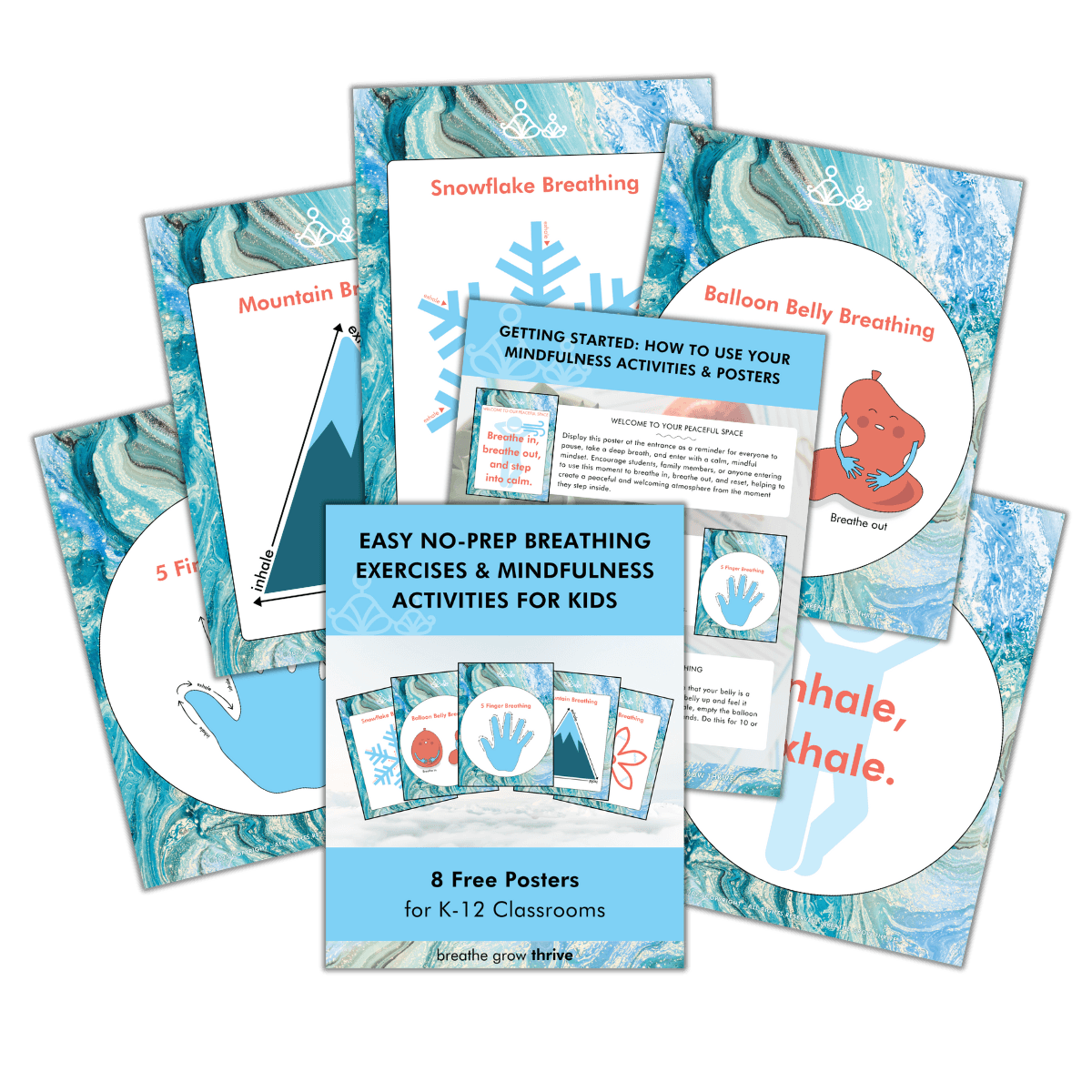
Help your students (and yourself!) stay calm, focused, and self-regulated—with just a few minutes of breathing exercises each day.
8 beautiful, ready-to-print posters for easy classroom integration
No prep required—just download and get started
Evidence-based strategies to reduce stress and promote emotional well-being
No prep. No stress. Just download and start creating a calmer, more focused classroom today.
HOW TO PRACTICE CO-REGULATION (SHORT EXAMPLES)
Co-regulation is the process of regulating together — a powerful tool for teachers and students.
5-Finger Breathing: Great at the desk. Trace the outline of a hand with the opposite pointer finger, synchronizing movement with intentional breaths.
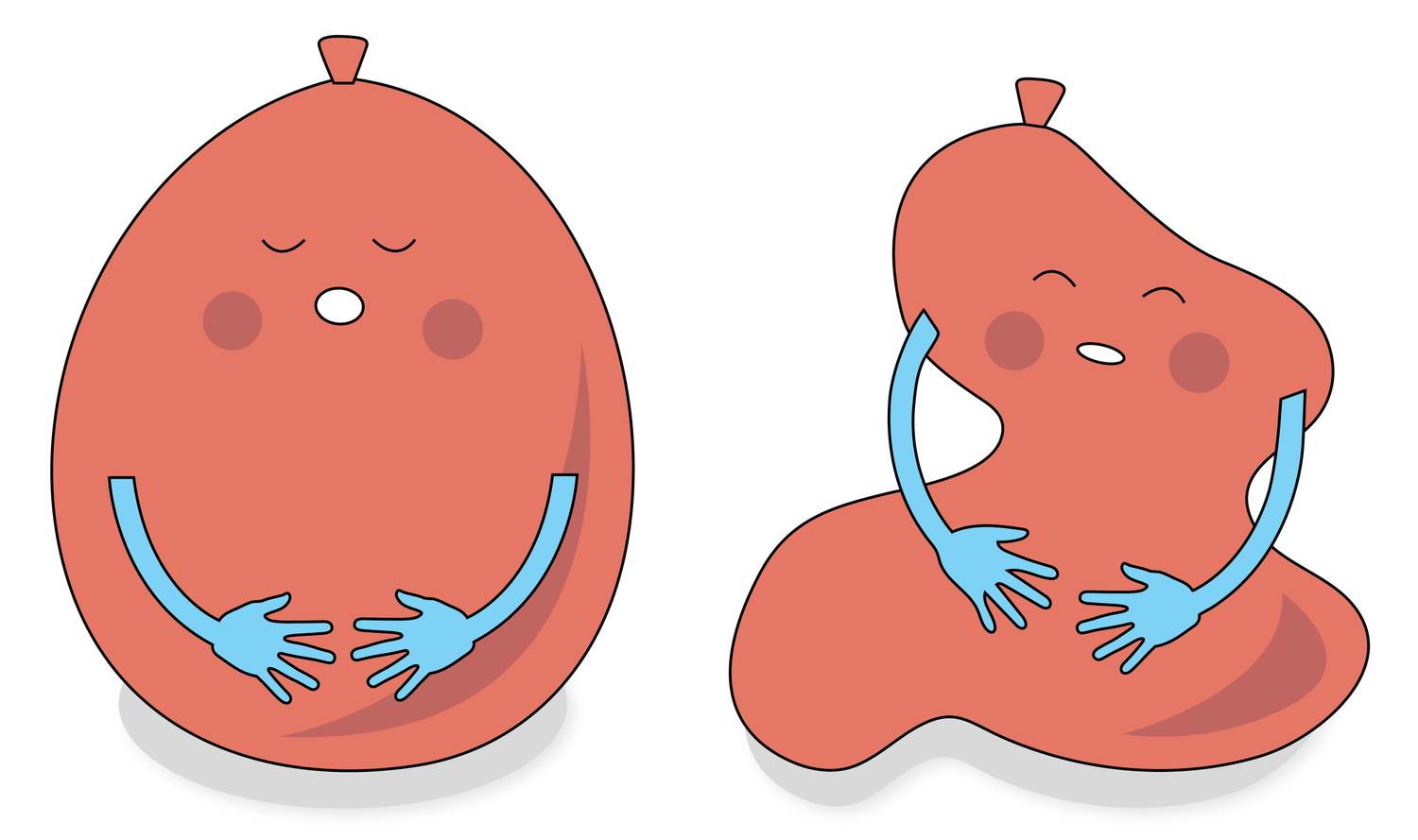
Balloon-Belly Breathing: Hands on bellies; inhale to inflate a “balloon,” exhale to deflate.
Guided Audio: Short guided audios help both students and teachers practice together — say a short script or play a 2–3 minute clip. You can use Breathe Grow Thrive guided audios here.
Experiment with these and find what works for your class. Remember: some students may not participate every time. That’s okay. They still benefit from the calm shift.
COMMON QUESTIONS TEACHERS ASK
Q: Isn’t mindfulness just “doing nothing”?
A: Not at all. It’s an intentional practice of awareness and presence. It actually builds the mental muscles for focus, resilience, and calm, so students are ready to learn.
Q: I don’t have time for extra lessons.
A: We totally understand (we’re teachers too!). That’s why no-prep, ready-to-use routines are key. A few minutes embedded into your class each day can pay dividends. Our resources are specifically designed for this purpose.
Something to keep in mind: If you do this consistently in your classroom, you will start to notice that you gain time throughout the day because students are much more regulated!
Q: What if students aren’t “buying in”?
A: They may resist at first if it’s new. Stay consistent, keep language simple, and tie it to what matters: feeling calmer, being ready to learn. When students experience even a small shift, they begin to see the value.
FINAL THOUGHTS
Teaching is tough, but you don’t have to sacrifice your well-being to do it.
With mindfulness practices woven into your classroom, you can shift from chaos to calm, without adding to your workload. When you model awareness, co-regulation and presence, you set the tone for a classroom where students not only learn what you teach — they remember how you made them feel.
Start with one short mindful moment today. We’ve got just the resource to help you begin!
Download our free Breathing Posters ebook to guide your students through calming breaths and mindful pauses every day. Get your free posters here.
Press play. Pause. Breathe. Co-regulate. Then watch the difference it makes. 🙌
Loving this? Save it to Pinterest so you can easily refer back to it during the school week. 📌

Do you have a suggestion for a topic you think we should cover? Email us at hello@breathegrowthrive.com.
If this blog post resonated with you, share it with a teacher friend. Sharing is caring! 🧡
You Might Also Like...

Thrive in a calm, focused, and well-managed K–12 classroom with evidence-based, no-prep resources that fit seamlessly into your busy school day.
NAVIGATE
GET 8 FREE BREATHING EXERCISES POSTERS STRAIGHT TO YOUR INBOX
© 2025 COPYRIGHT - ALL RIGHTS RESERVED
© 2026 COPYRIGHT - ALL RIGHTS RESERVED