
Trauma-Informed Classroom Design: Creating a Calm, Low-Stimulus Space That Works

Ever walked into your classroom at the start of a new term, looked at the bare walls, and felt a sudden wave of setup anxiety?
You are not alone. With Pinterest boards and social media feeds pushing picture-perfect classroom setups, the pressure on educators to design a flawless learning space is staggering.
But when you are already dealing with a long to-do list, spending your precious evenings laminating colour-coded posters or rearranging desks can lead directly to teacher stress and burnout.
Here’s the truth: creating a trauma-informed classroom design isn't about expensive classroom decor or matching storage bins.
It's about optimizing sensory flow, reducing overload, and creating a predictable space where students feel safe enough to learn.
Get Your Free Breathing Exercises & Mindfulness Activities Ebook
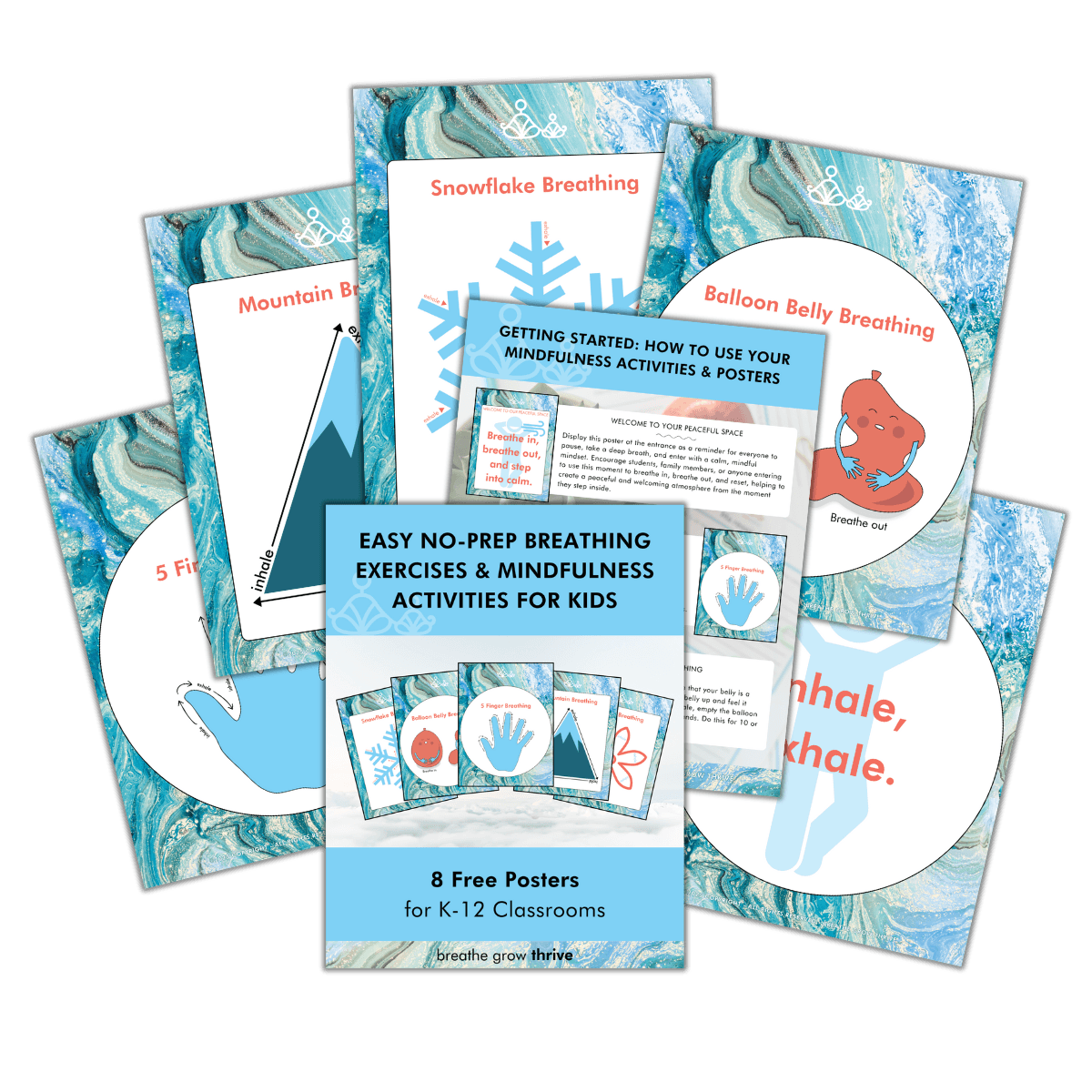
Help your students (and yourself!) stay calm, focused, and self-regulated—with just a few minutes of breathing exercises each day.
8 beautiful, ready-to-print posters for easy classroom integration
No prep required—just download and get started
Evidence-based strategies to reduce stress and promote emotional well-being
No prep. No stress. Just download and start creating a calmer, more focused classroom today.
THE SENSORY OVERLOAD DILEMMA: WHY LESS IS MORE
Did you know that excessive visual stimulation in a learning environment can actually impair a child's focus and emotional balance?
Research shows that overly decorated walls can overwhelm a student's working memory, making it harder for them to absorb new information.
Think of a student's nervous system like a cup. When a child carries underlying stress or trauma into the building, their cup is already nearly full. High-contrast colors, cluttered shelving, and sudden loud noises act like extra drops of water. Before long, that cup overflows, resulting in heightened anxiety or behavioural spikes.
When we design a low-stimulus space, we are simply lowering the baseline sensory input. We are creating a peaceful riverbed so that emotional storms can pass through like gentle, temporary clouds without overflowing the banks.
3 PRINCIPLES OF TRAUMA-INFORMED CLASSROOM DESIGN
You don't need a degree in interior architecture or a massive budget to transform your room. Here are three practical, evidence-informed shifts you can make right now to optimize your space for safety and focus:
1. OPTIMIZE CLASSROOM FLOW AND SPATIAL PREDICTABILITY
Students navigating trauma need to know where they are in space and feel that their personal boundaries are protected.
Keep Pathways Clear: Ensure high-traffic areas (like the pencil sharpener or cubbies) have open, predictable pathways to prevent accidental physical bumping.
Establish Clear Visual Zones: Separate high-energy group spaces from quiet, independent work areas so students naturally understand the behavioural expectations of each nook.
Maintain Uncluttered Sightlines: Ensure students can easily see the main door and your primary teaching area from their seats, which helps lower hypervigilance.
2. BE INTENTIONAL WITH COLOUR AND VISUAL STIMULATION
Colour choices impact mood and energy levels far more than we realize.
Muted, Grounded Tones: Lean toward natural, muted shades like sage greens, soft blues, and warm neutrals. Bright primary colours can heighten nervous system arousal.
The 30% Wall Rule: Leave at least 30% to 50% of your wall space completely blank. Visual "white space" gives processing brains a place to rest.
3. CREATE A DEDICATED CALM CORNER
Instead of isolating students when they feel overwhelmed, create a dedicated space designed for intentional emotional resets.
Keep It Low-Tech: A quiet corner with a comfortable cushion, a soft rug, and clear visual cues for deep breathing is all you need.
Provide Visual Anchors: Place simple, non-distracting posters displaying easy grounding techniques in this space so students can practice independent self-regulation.
Grab our free, ready-to-use printable Breathing Posters ebook for the classroom.
THE TRUTH: YOUR CALM PRESENCE MATTERS MORE THAN DECOR
Here is your gentle reminder to pause and take a deep breath: Your students won't remember if your bulletin boards were perfectly colour-coded. They will remember how it felt to pause, breathe, and feel safe in your room.
Environmental design is a wonderful supporting tool, but the most powerful trauma-informed resource in your classroom isn't on a store shelf, it's you. A calm, regulated educator acts as the primary thermostat for the entire room.
When energy spikes or schedule disruptions occur, you don't need a complex 30-minute lesson plan to restore peace. You simply need to lead through co-regulation.
By choosing no-prep tools, you eliminate extra planning time and protect your own well-being. When you simply press play on a guided mindfulness audio or lead a quick 1-minute breathing exercise, you give both yourself and your students a collective moment to reset.
READY TO BRING PURPOSEFUL CALM TO YOUR WALLS?
Creating a trauma-informed space shouldn't require endless hours of DIY work. If you want ready-to-use, beautifully designed visual tools that serve a genuine emotional purpose, we’re here to help you get started without the stress! 🙌
Download our collection of purposeful classroom decor and visual grounding tools today:
👉 Download Our Calm Classroom Posters Here
You don't have to carry the weight of doing it all. By prioritizing your own well-being and integrating simple mindful strategies, you are setting the foundation for a calm, successful school year. You've got this! 🙌
With calm and appreciation,
Loving this? Save it to Pinterest so you can easily refer back to it during the school week. 📌
Do you have a suggestion for a topic you think we should cover? Email us at hello@breathegrowthrive.com.
If this blog post resonated with you, share it with a teacher friend. Sharing is caring! 🧡
You Might Also Like...

Thrive in a calm, focused, and well-managed K–12 classroom with evidence-based, no-prep resources that fit seamlessly into your busy school day.
NAVIGATE
GET 8 FREE BREATHING EXERCISES POSTERS STRAIGHT TO YOUR INBOX
© 2025 COPYRIGHT - ALL RIGHTS RESERVED
© 2026 COPYRIGHT - ALL RIGHTS RESERVED